The Impact of Social Media on the Mobilization of Social Movements in 2023
Shaping Communication and Connection
Over the past decade, social media has completely reshaped how we interact with one another and the world around us. Platforms such as Facebook, Twitter, Instagram, and TikTok have evolved into critical tools for communication, enabling users to share their thoughts, experiences, and passions with a global audience. This technological evolution has also significantly impacted social movements, making it easier for individuals and groups to mobilize, organize, and advocate for change on pressing issues.
As we progress through 2023, the influence of social media on social movements is more significant than ever, especially in the context of events such as the Black Lives Matter protests and climate change demonstrations. Here are key areas where social media proves to be a critical player:
- Rapid Information Dissemination: Social media allows for the instant sharing of events and news. For example, during the COVID-19 pandemic, platforms like Twitter became essential for spreading critical information about health guidelines and vaccine availability. Activists leveraged these platforms to organize protests within hours, enabling thousands to gather in solidarity and support.
- Building Communities: Online platforms create spaces where like-minded individuals can connect and support one another. Whether through Facebook groups dedicated to specific causes or Instagram pages showcasing art and activism, these platforms have fostered virtual communities built on shared interests. For instance, the #MeToo movement gained momentum largely through social media, enabling individuals to share their experiences and find support from others who had faced similar issues.
- Viral Campaigns: Creative and compelling content can quickly go viral, drawing attention to critical issues that may otherwise be overlooked. The Ice Bucket Challenge is a notable example from 2014, where videos went viral across social media, raising global awareness about ALS while also generating substantial funds for research. This phenomenon showcases how engaging content can mobilize support and encourage public involvement in important causes.
Moreover, social media gives a voice to marginalized communities, providing a platform where their stories can be told and heard. For instance, movements advocating for Indigenous rights and climate action have utilized platforms like Instagram and TikTok to share personal narratives and highlight ongoing struggles, attracting wider audiences and fostering greater understanding.
As we delve deeper into social media’s role in social movements in 2023, we will examine not only the opportunities it presents but also the challenges that come with it, such as misinformation and the digital divide. Analyzing these dynamics is essential for understanding how we can use these tools constructively to foster change and promote dialogue in a diverse society.
DISCOVER MORE: Click here to learn how to apply
Empowerment Through Digital Platforms
In 2023, the impact of social media on social movements extends far beyond awareness; it serves as a powerful catalyst for empowerment and action. The concept of digital activism has become a significant force, enabling individuals around the globe to leverage the interconnectedness of social media platforms to voice their concerns, champion human rights, and incite meaningful change. Here, we will explore how social media mobilizes communities and drives participation in social causes.
Mobilization of Grassroots Movements: Social media has empowered grassroots movements to emerge, flourish, and gain momentum. Traditional methods of organization often required extensive resources and lengthy planning. However, with social media, anyone with internet access can now become an activist, organizing rallies and demonstrations swiftly and efficiently. For example, the Women’s March, which took place in January 2017, saw millions of participants rallying across the United States and beyond within a short span of time, thanks to the power of social media. Platforms such as Facebook and Twitter were pivotal in fostering discussions that led to the mobilization of these collective efforts.
Enhanced Engagement: With the rapid spread of information on social media, activists can now engage with a wider audience than ever before. Social media facilitates real-time interaction, allowing movements to respond promptly to current events and public sentiments. This responsiveness is crucial for movements aiming to maintain relevance in an ever-changing landscape. For instance, during the climate change protests in 2023, advocates used platforms such as TikTok to share short, impactful videos that resonated with younger audiences, encouraging them to take part in global climate strikes and advocate for sustainable policies.
Strategies for Impactful Campaigns: Social media empowers social movements with innovative strategies for outreach. Various tactics amplify their messages and broaden participation, including:
- Hashtags and Challenges: Hashtags have become a rallying point, allowing users to join conversations and expand the reach of their messages. The #FridaysForFuture movement gained traction with a simple call to action, encouraging students to strike from school to demand climate action.
- Live Streaming Events: Live streaming provides an opportunity for organizations to reach audiences that may not be able to participate physically. Activists can broadcast protests or discussions in real-time, making it accessible to those who are geographically distant.
- Influencer Partnerships: Collaborations with social media influencers have proven to be effective in raising awareness. Influencers with substantial follower counts can draw attention to causes that might not receive adequate coverage via traditional media outlets, as their posts resonate with their dedicated audiences.
Social media’s impact on the mobilization of social movements is underpinned by its ability to democratize activism. Individuals from diverse backgrounds can contribute to global conversations, leveraging their unique perspectives to foster compassion and understanding. As we navigate through the complexities of contemporary issues in 2023, it is crucial to recognize the paramount role social media plays in weaving together the narratives of countless voices advocating for change.
DISCOVER MORE: Click here to learn how to identify your risk profile
Building Solidarity and Global Connections
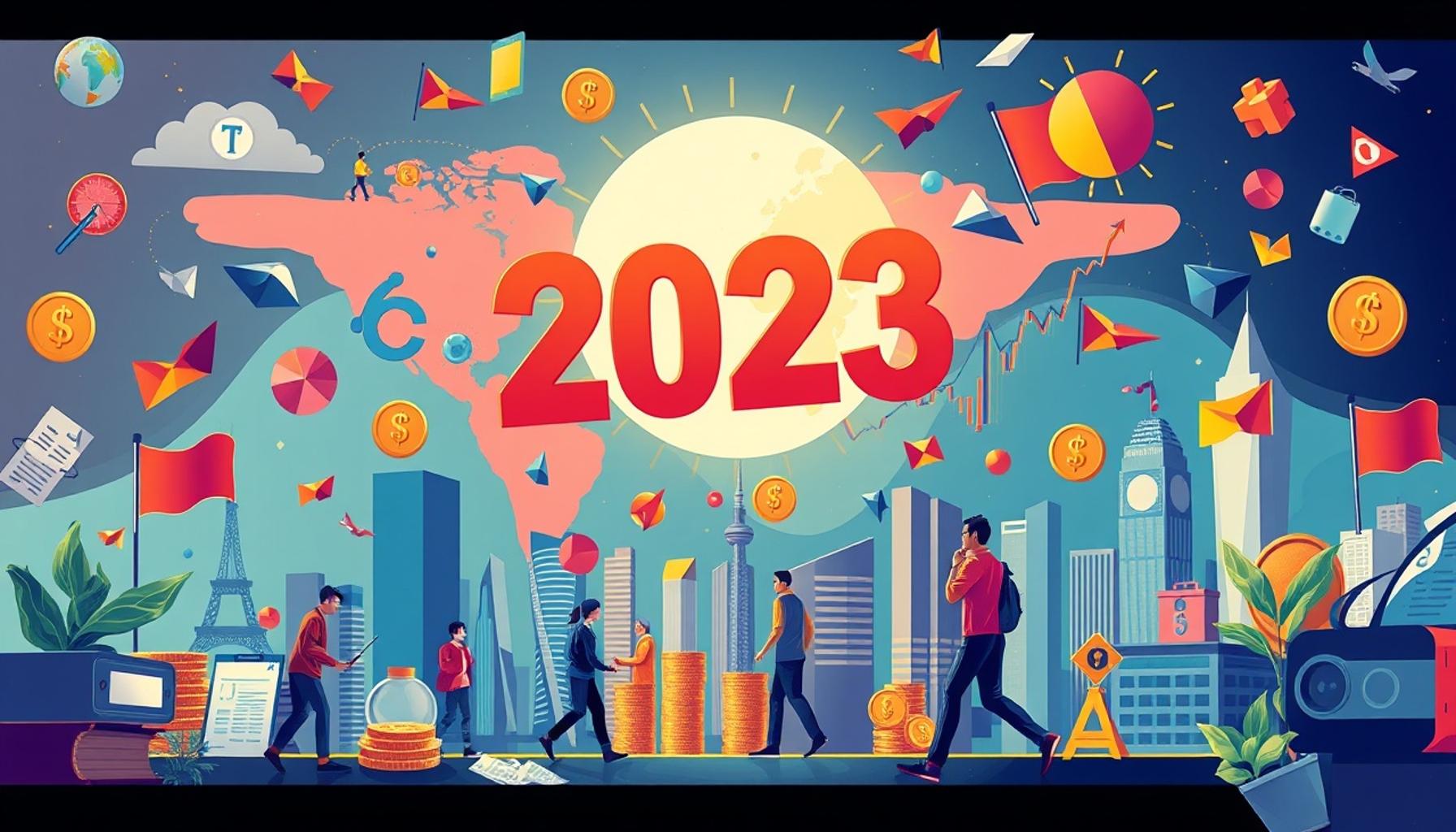
As we explore the role of social media in social movements in 2023, another key aspect is its ability to build solidarity and forge connections across borders. Social media has transformed activism from being largely local or national to a truly global phenomenon, bringing together individuals united by shared causes, even if they are oceans apart.
Global Reach of Local Issues: Issues that once seemed isolated can now resonate on a worldwide scale. For example, movements addressing racial injustice or environmental concerns in the United States have found strong support from international communities, creating a ripple effect of solidarity. The Black Lives Matter movement, which gained prominence following incidents of police violence, saw global protests in support of racial equality. Through social media, individuals in countries such as the United Kingdom, Australia, and Canada were able to express their alliance and organize demonstrations, showcasing how local issues can galvanize a worldwide response.
Cultivating Diverse Alliances: Social media allows for the formation of diverse alliances by connecting activists from various backgrounds. This intersectionality enriches movements as different perspectives come together to advocate for comprehensive solutions. For instance, the intersection of climate activism and social justice gained traction in 2023, with groups like the Sunrise Movement joining forces with communities of color to address the disproportionate impact of climate change on marginalized populations. This collaboration not only broadens the scope of activism but also fosters an inclusive atmosphere where various voices are heard.
Storytelling and Personal Narratives: Social media provides a platform for individuals to share their stories, making movements more relatable and humanizing the struggles faced by many. Personal narratives can create a profound emotional connection that resonates with audiences, compelling them to take action. For example, survivors of gun violence have utilized platforms such as Instagram to share their experiences, highlighting the urgent need for gun control. This storytelling aspect allows individuals to see the real-life impact of legislation or lack thereof, driving home the importance of activism.
Mobilizing Through Visual Content: The visual nature of platforms like Instagram and TikTok has proven invaluable for mobilization. Graphic images, infographics, and engaging videos can convey complex messages succinctly, facilitating understanding and promoting engagement. In the climate movement, for instance, visuals showing the stark realities of climate change, such as melting ice caps or wildfires, effectively raise awareness and motivate individuals to participate in activism. The capacity for speed and clarity in sharing visual content makes it an essential tool for modern social movements.
Overall, social media has not only enhanced the way social movements are organized and mobilized but has also redefined community building at a global level. By enabling individuals to connect, share their stories, and collaborate across borders, social media has created a dynamic space where a collective voice can unite people in pursuit of justice, equality, and change. Whether through rallying local support or fostering international connections, social media remains an indispensable vehicle for creating lasting impact in 2023.
DISCOVER MORE: Click here to learn how to budget for your major goals
Conclusion
In summary, the impact of social media on the mobilization of social movements in 2023 is profound and transformative. As we have seen, social media platforms not only enhance the visibility of local issues but also amplify them on a global stage, uniting diverse voices across geographical boundaries. The ability to connect individuals around shared struggles fosters a sense of solidarity and creates opportunities for meaningful collaboration.
The intersection of activism and diverse narratives, enriched by the personal stories of individuals, serves to humanize movements and cultivate empathy among supporters. This emotional connection encourages action, making social issues more relatable and pressing. Moreover, the visually driven nature of platforms such as TikTok and Instagram facilitates rapid dissemination of information, ensuring that critical messages reach a wider audience with clarity and impact.
As we move forward, it is essential for activists and organizers to continue leveraging social media as a tool for connection, education, and mobilization. While the digital landscape presents challenges, such as misinformation and digital fatigue, its advantages in fostering community and driving collective action cannot be overlooked. In this rapidly evolving ecosystem, the ongoing adaptation to new technologies and trends will shape the effectiveness of social movements in addressing societal issues. Ultimately, social media stands as a critical ally in the fight for justice, equality, and meaningful change in 2023 and beyond.

Linda Carter
Linda Carter is a writer and expert known for producing clear, engaging, and easy-to-understand content. With solid experience guiding people in achieving their goals, she shares valuable insights and practical guidance. Her mission is to support readers in making informed choices and achieving significant progress.