
How to integrate social media with other digital marketing strategies
The Importance of Integrating Marketing Strategies
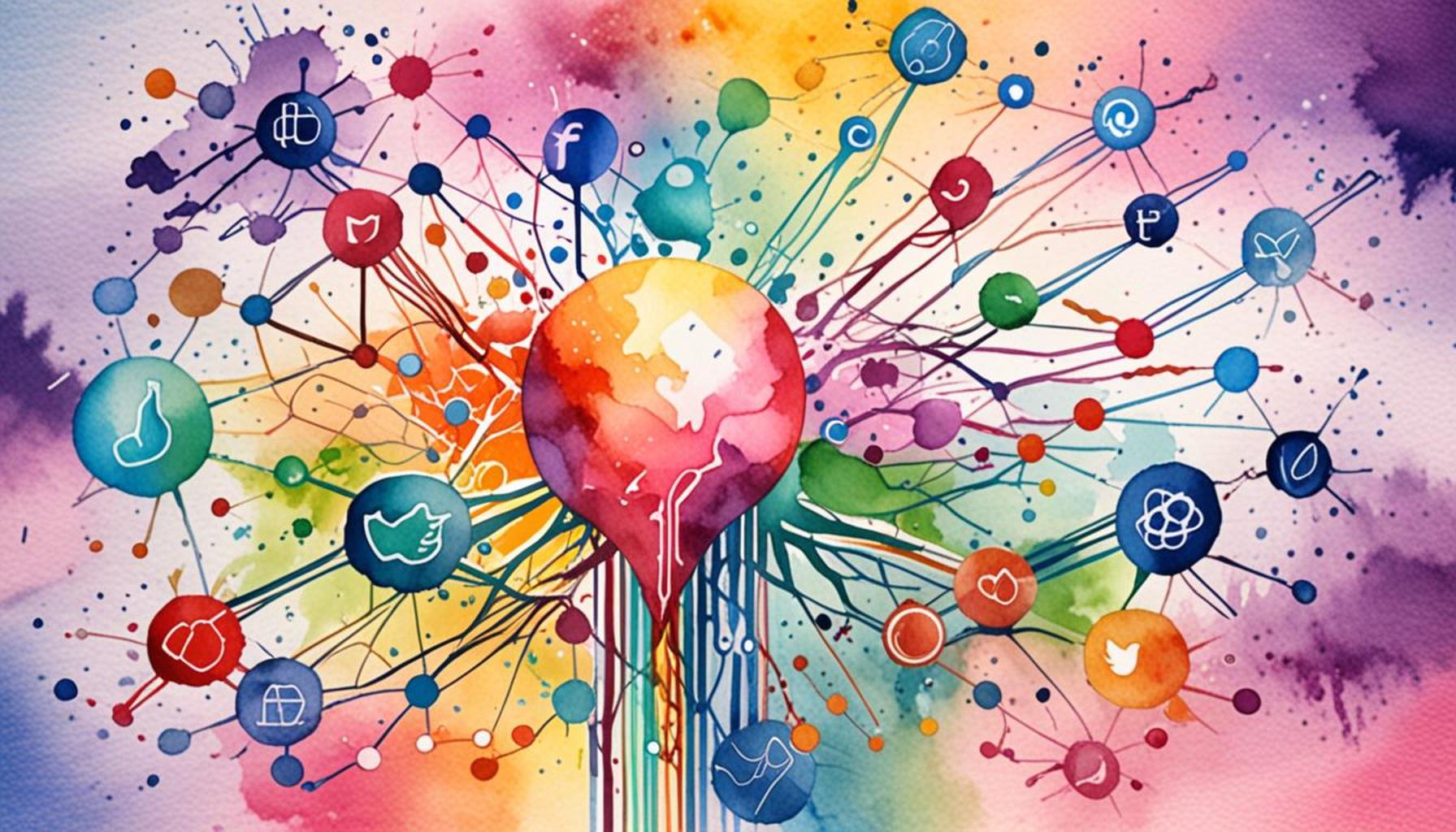
In today’s fast-paced digital landscape, social media is not merely an accessory to marketing; it has become a cornerstone for brands striving to connect with their audience. However, to truly harness the power of social media, it must be integrated with other digital marketing strategies. This integration allows businesses to create a seamless brand experience while maximizing their outreach and effectiveness.
Content Marketing
Content marketing serves as an excellent foundation for social media strategy. When businesses share valuable articles or blog posts on their social platforms, they not only engage their audience but also drive traffic back to their websites. For example, a local Filipino restaurant could write a blog post about traditional Filipino recipes or unique twists on classic dishes. By sharing this content on platforms like Facebook or Instagram, they not only attract potential customers but also establish themselves as thought leaders in their niche.
Email Marketing
Email marketing remains a powerful tool for nurturing customer relationships. By using social media to grow an email list, businesses can engage subscribers with exclusive content and offers. In the Philippines, local brands often utilize promotions, like discounts or special events, that are announced first through their email newsletters. A travel agency might encourage their followers on Instagram to subscribe for tips on hidden travel spots in the Philippines. This ensures that followers receive tailored content that cultivates loyalty and drives offline bookings.
Search Engine Optimization (SEO)
Search engine optimization is crucial for improving online visibility. Promoting content on social media not only helps in reaching a wider audience but can also lead to backlinks from other sites, further enhancing a brand’s SEO efforts. A digital marketing agency in Manila that shares insightful case studies on social media may attract the attention of other websites, leading to further sharing and links back to their original content. This cyclical relationship between SEO and social media helps in building authority and trust within the market.
The integration of these marketing strategies is not just an option—it’s essential for businesses looking to thrive in a competitive environment. By blending the immediate reach of social media with the depth of content marketing, the nurturing aspect of email marketing, and the visibility from SEO efforts, companies can create a cohesive strategy that resonates powerfully with their audience. This approach leads to enhanced customer relationships, greater brand loyalty, and ultimately, increased conversions.
Whether you are a small local business, like a family-owned bakery, or a larger enterprise, understanding and implementing an integrated marketing strategy is vital for sustainable growth in the digital landscape of the Philippines.
SEE ALSO: Click here to read another article
Leveraging Multiple Channels for Maximum Impact
Integrating social media with other digital marketing strategies is not only about promoting a consistent brand voice but also about utilizing each platform’s strengths to achieve broader marketing goals. When businesses consider how to synergize their efforts across platforms, they can amplify their reach and improve engagement. Here are some essential strategies to effectively combine social media with other digital marketing efforts.
Utilizing Paid Advertising
Paid advertising on social media platforms, such as Facebook ads or Instagram sponsored posts, can complement organic content creation. By allocating a portion of the marketing budget towards targeted ads, businesses can reach specific demographics that align with their ideal customer profile. For instance, a fitness studio in Cebu can use Facebook ads to target young professionals aged 25-35 who are interested in health and wellness. This targeted approach not only increases visibility but also drives traffic toward a well-designed landing page or website tailored for conversions.
Cross-Promotion Across Platforms
Cross-promotion is a powerful tactic that ensures content reaches a wider audience. By sharing content from social media on email newsletters and vice versa, businesses can engage their audience through different touchpoints. For example, a local online store can share new product announcements on Instagram and encourage followers to check their email for exclusive discounts. This strategy not only keeps the audience informed but also reinforces brand messaging across various channels.
Creating a Unified Customer Journey
Businesses must focus on creating a unified customer journey that seamlessly integrates social media, content marketing, email marketing, and SEO. Here are key elements to consider:
- Consistency in Messaging: Ensure that the messaging across all platforms aligns with your brand identity, reinforcing the same values and tone.
- Exclusive Offers: Utilize social media to create buzz around email-exclusive offers, helping to drive sign-ups and engagement across both channels.
- Targeting Retargeting Ads: Implement retargeting strategies that remind users of products they viewed on the website, promoting shares and engagement through social media.
For instance, an e-commerce fashion brand might run ads on Instagram showcasing outfits while also using their email campaigns to follow up with discount codes for items users clicked on previously. This creates a sense of familiarity and keeps the brand top-of-mind, increasing the likelihood of conversions.
As social media continues to evolve, understanding how to integrate it effectively with other digital marketing strategies can set brands apart. The interconnectedness of these platforms allows businesses to harness multiple channels for consistent messaging and heightened engagement, creating a powerful marketing ecosystem.
CHECK OUT: Click here to explore more
Building Valuable Partnerships and Collaborations
One effective way to integrate social media with other digital marketing strategies is through building valuable partnerships and collaborations. Collaborating with influencers, brands, or even community organizations can expand reach and tap into new audiences. These partnerships provide the perfect opportunity to create joint campaigns that leverage the strengths of each party, fostering engagement and driving traffic.
Influencer Marketing
Influencer marketing has become a cornerstone for many brands looking to improve their visibility online. By partnering with influencers who resonate with your target audience, businesses can enhance their credibility and reach. For example, a local beauty brand in the Philippines could collaborate with a well-known beauty vlogger to showcase their products through a social media campaign. The influencer’s audience is likely to trust their opinions, which can drive traffic not only to the brand’s social media but also to its website for purchasing. Consider creating unique promo codes for the influencer’s followers to use, ensuring that the campaign is trackable and can seamlessly integrate both social media and website metrics.
Engaging Content Through User-Generated Campaigns
User-generated content campaigns are an effective strategy to foster community engagement while directly linking social media to other digital marketing efforts. Encouraging customers to share their experiences with your product or service—such as photos, reviews, or videos—creates authentic content that can be shared across platforms. For instance, a restaurant in Manila could launch a campaign inviting customers to post pictures of their favorite dishes with a specific hashtag. This not only boosts social media interaction but can also be showcased on the restaurant’s website or in email newsletters, reinforcing customer loyalty and enhancing the brand’s online presence.
Utilizing Analytics for Continuous Improvement
To ensure that the integration of social media with other digital marketing strategies remains effective, businesses should consistently analyze performance metrics. Utilizing tools like Google Analytics and social media insights will help you track how different channels are performing and where opportunities for growth exist. For example, if a business notices high engagement on social media for specific content types—like videos or infographics—they can create more of such content while directing traffic back to their website for further information or purchasing options.
- Identify Key Performance Indicators (KPIs): Monitor metrics such as engagement rates, conversion rates, and website traffic to assess the effectiveness of integrated campaigns.
- Adjust Strategies Accordingly: Use the data to refine your future campaigns, focusing on what resonates most with your audience across different platforms.
- Continually Experiment: Explore new formats and types of content to see what yields the best results, whether through A/B testing emails or social media posts.
The key to harnessing the full potential of both social media and digital marketing strategies lies in flexibility and ongoing assessment. This practical approach not only enriches the customer experience but also leads to sustained brand growth. As businesses in the Philippines and beyond navigate the digital landscape, recognizing the benefits of integrating these marketing strategies can result in far-reaching impacts for their brand identity and overall success.
CHECK OUT: Click here to explore more
Conclusion
In today’s fast-paced digital environment, integrating social media with other digital marketing strategies is essential for brands looking to thrive. The fusion of these approaches allows businesses to create cohesive and impactful campaigns that resonate with their audience. By nurturing meaningful partnerships with influencers and engaging customers through user-generated content, brands can enhance their visibility while fostering trust and loyalty.
Additionally, utilizing analytics not only guides your decision-making but also empowers you to adapt and innovate continuously. Tracking key performance indicators, adjusting strategies based on audience feedback, and experimenting with different content formats are all critical components of a successful integrated strategy. For instance, local brands can explore collaborations that reflect Filipino culture, promoting community engagement through campaigns that inspire participation while driving traffic to their main platforms.
Ultimately, the effective integration of social media and digital marketing requires a commitment to flexibility, creativity, and ongoing assessment. As businesses in the Philippines and beyond embrace these strategies, they open the door to greater brand recognition and customer interaction, paving the way for sustainable growth and lasting success. By understanding and applying these principles, companies can significantly enhance their marketing efforts, ensuring they remain competitive in an ever-evolving digital landscape.

Linda Carter
Linda Carter is a writer and marketing specialist who helps businesses and entrepreneurs build strong brands and effective growth strategies. With extensive experience guiding companies to increase their market visibility and make data-driven decisions, she shares practical marketing insights on our platform. Her goal is to empower readers with actionable advice and proven techniques to achieve sustainable business growth and marketing success.