Disinformation and Fake News: The Role of Social Media in Recent Political Events
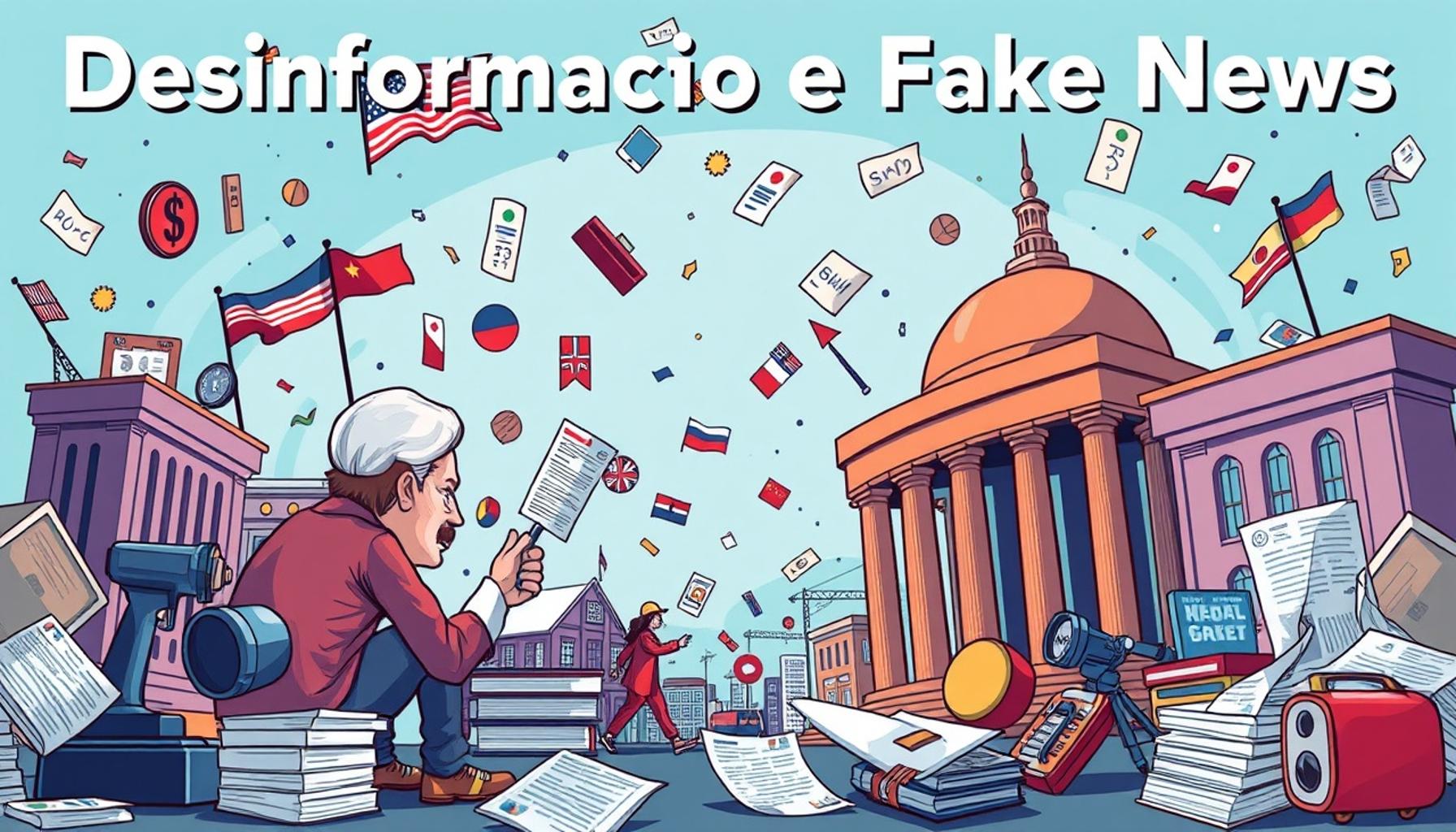
The Role of Social Media in Disinformation
The intersection of social media and politics has transformed how information is shared and consumed. The rapid dissemination of information has enabled news to go viral at unprecedented speeds, often overshadowing the verification of facts. This urgency can lead to the spread of disinformation, which is not only misleading but can also shape public opinion and influence political outcomes in significant ways.
Speed of Information Dissemination is one of the most concerning aspects of social media. In the past, news was carefully vetted by journalists and media houses before releasing to the public. Today, a tweet or a Facebook post can escalate into a global headline in mere minutes. For instance, during the early phases of the COVID-19 pandemic, misinformation regarding the virus and its effects proliferated across social media platforms. False claims that certain household products could cure COVID-19 resulted in dangerous behaviors and put individuals at risk. This exemplifies how rapid information dissemination can have dire consequences, making fact-checking even more critical.
Another significant factor is Targeted Advertising. Political campaigns have increasingly relied on sophisticated data analytics to identify specific voter segments and deliver tailored messages. These ads sometimes include distorted facts or misleading information designed to evoke emotional responses rather than rational considerations. A notable example is the ads disseminated during the 2016 election cycle, where misinformation concerning candidates and policies was targeted at specific demographics, potentially skewing perceptions and votes.
Furthermore, social media can create Echo Chambers. Algorithms used by platforms like Facebook and Twitter tend to show users content that aligns with their existing beliefs. This not only reduces exposure to diverse viewpoints but also reinforces misinformation by isolating users in bubbles of like-minded opinions. This phenomenon was evident during several social movements, where misinformation led to heightened tensions and protests, demonstrating the power of social media to potentially incite public unrest.
Finally, the implications of misinformation extend beyond politics. The same technology that connects us can lead to significant real-world consequences, such as undermining public health efforts and fostering societal division. For instance, during the vaccine rollout, misinformation about vaccine safety circulated widely on social media, fueling hesitancy that ultimately affected vaccination rates across the nation.
As active participants in the digital landscape, it is imperative that we approach information critically. The responsibility lies with each user to carefully evaluate and verify the content we encounter and share. By fostering a culture of informed citizenship, we can mitigate the detrimental effects of disinformation in our communities and safeguard the integrity of our democratic processes.
DISCOVER MORE: Click here for details
Understanding the Mechanics of Disinformation
To effectively combat disinformation and fake news, it is crucial to understand the mechanisms through which these falsehoods proliferate on social media platforms. There are several key factors that contribute to the rapid spread of disinformation, each playing a role in how messages are constructed, disseminated, and perceived by the public.
1. The Power of Visuals
In our increasingly visual culture, images and videos often capture more attention than written text. This means that misleading visuals can go viral, even when the accompanying information is inaccurate. For instance, during the 2020 U.S. presidential election, images that distorted or misrepresented facts about candidates circulated widely, often leading users to form opinions based on visual misinformation rather than factual discussions. A memorable example was the viral spread of misleading photographs purportedly showing voter fraud, which were later shown to be taken out of context or entirely fabricated.
2. The Role of Influencers and Bots
Social media influencers and automated accounts, or bots, can also amplify the reach of disinformation. These actors may intentionally or unintentionally share false information with their followers, increasing its visibility. In 2020, it was found that accounts created to manipulate public sentiment about COVID-19 were disseminating misinformation about masks and social distancing, often impersonating credible sources. Influencers, who usually have significant clout, can unwittingly become vessels for misleading narratives if they are not critically evaluating the content they promote.
3. Emotional Manipulation
Another alarming feature of disinformation is how it often plays on emotions rather than facts. Emotional appeals can persuade individuals to share content without verifying its authenticity. Misinformation that incites fear, anger, or urgency tends to perform better on social media platforms. A study conducted during the 2020 election cycle revealed that posts about fraud and corruption often elicited strong emotional reactions, leading to widespread sharing and discussion, further embedding these false narratives in public consciousness.
4. The Impact of Limited Media Literacy
The lack of media literacy among social media users exacerbates the problem of disinformation. Many individuals do not possess the skills needed to critically assess information sources, identify biases, or discern the credibility of content. Factors contributing to limited media literacy include:
- Education Systems: Many educational curricula fail to emphasize critical thinking and media analysis skills.
- Digital Divide: In some communities, limited access to technology or the internet means less exposure to digital literacy resources.
- Information Overload: The sheer volume of content available online can overwhelm users, making it difficult to parse through sensational claims.
By understanding these factors, users can better equip themselves to navigate the complex landscape of disinformation on social media. Critical engagement with content, a commitment to verifying information before sharing, and an awareness of emotional manipulation can significantly reduce the spread of fake news and its potentially harmful consequences.
DIVE DEEPER: Click here to learn more
The Consequences of Disinformation
Understanding the mechanics of disinformation is essential, but it is equally important to grasp the consequences that arise from the unchecked spread of fake news on social media. The ramifications extend beyond mere misunderstandings; they can undermine democratic processes, erode trust in institutions, and fuel societal division.
5. Undermining Democracy
Perhaps the most alarming consequence of disinformation is its potential to undermine democratic institutions. When false information influences public perception, it can skew electoral outcomes, as seen in various elections around the world. For instance, during the 2020 U.S. presidential election, disinformation campaigns aimed to delegitimize the electoral process, with widespread claims of voter fraud leading to distrust in the results. The fallout was evident in the storming of the U.S. Capitol on January 6, 2021, where a significant portion of the crowd believed in false narratives propagated through social media platforms.
6. Erosion of Trust
The prevalence of disinformation also contributes to a broader erosion of trust in media and government institutions. When fake news proliferates, people become skeptical of all information, often adopting a “which side are you on?” mentality that dismisses any narrative that contradicts their beliefs. A survey by the Pew Research Center found that nearly two-thirds of Americans believe misinformation has significantly impacted overall trust in news media. This skepticism can lead to dangerous consequences, where people prioritize confirmation of their biases rather than seeking the truth.
7. Polarization and Division
Social media acts as a catalyst for polarization, as users gravitate toward echo chambers that reinforce their pre-existing beliefs. Disinformation campaigns often exploit these trends by creating divisive content that strongly resonates with specific political ideologies. For example, during the 2020 election, memes and graphics that exaggerated economic conditions or social issues were shared widely, intensifying existing divisions among voters. As individuals retreat into their digital bubbles, constructive dialogue becomes increasingly rare, rendering compromise and understanding nearly impossible.
8. The Role of Platform Responsibility
With the growing recognition of the impact of disinformation, social media platforms have come under scrutiny for their role in perpetuating false narratives. Platform responsibility pertains to the actions that social media companies should take to mitigate the spread of disinformation. Efforts such as labeling misleading content, fact-checking news articles, and reducing visibility for accounts consistently sharing fake news are some ways platforms are attempting to combat this issue. However, these measures often face criticism for being either insufficient or ineffectively enforced, leading to continued debate on how best to protect users from false information.
9. The Psychological Toll
Furthermore, the effects of disinformation extend beyond social and political realms, exerting a psychological toll on individuals. Constant exposure to false narratives can lead to anxiety, stress, and feelings of helplessness in a chaotic information ecosystem. Victims of disinformation may also develop confirmation bias, leading them to dismiss factual information that contradicts their beliefs, thus perpetuating a cycle of misinformation. This creates a challenging landscape where constructive engagement becomes difficult and unproductive.
To navigate this increasingly complex terrain, understanding the consequences of disinformation is critical for both individuals and society at large. By recognizing the profound effects of fake news, we can begin to cultivate a more informed and discerning public that values truth and meaningful discourse over sensationalism. Awareness and education are pivotal steps in addressing the challenges posed by disinformation in today’s digital age.
DISCOVER MORE: Click here to learn about emerging cyber threats
Conclusion
In conclusion, the rise of disinformation and fake news in recent political events illustrates the profound impact social media has on our society. As we have explored, the consequences of unchecked misinformation extend to the very foundations of democracy, fuelling distrust in public institutions and fostering societal polarization. The events surrounding the 2020 U.S. presidential election serve as a stark reminder of how easily false narratives can spread and influence public opinion, leading to real-world consequences like the attack on the Capitol.
The responsibility of social media platforms is critical in this fight against disinformation. By implementing effective measures to combat fake news, such as fact-checking and content labeling, these companies can help protect users from false information. However, as it stands, many of these efforts have been criticized as inadequate, emphasizing the need for ongoing dialogue and improvement in how platforms manage content dissemination.
Ultimately, it falls upon each individual to navigate this complex landscape with a discerning eye. By committing to seek the truth and engage in thoughtful discourse, we can combat disinformation and encourage a more informed public. Greater awareness and education regarding the dangers of fake news are essential steps that will empower citizens to recognize misinformation, making it increasingly difficult for false narratives to take root. As we embrace our roles as conscientious consumers of information, we can work towards fostering a society grounded in truth and understanding.

Linda Carter
Linda Carter is a writer and expert known for producing clear, engaging, and easy-to-understand content. With solid experience guiding people in achieving their goals, she shares valuable insights and practical guidance. Her mission is to support readers in making informed choices and achieving significant progress.