The Influence of 5G Networks on the Innovation of Interactive Experiences in Events
Understanding the Transformative Power of 5G Networks
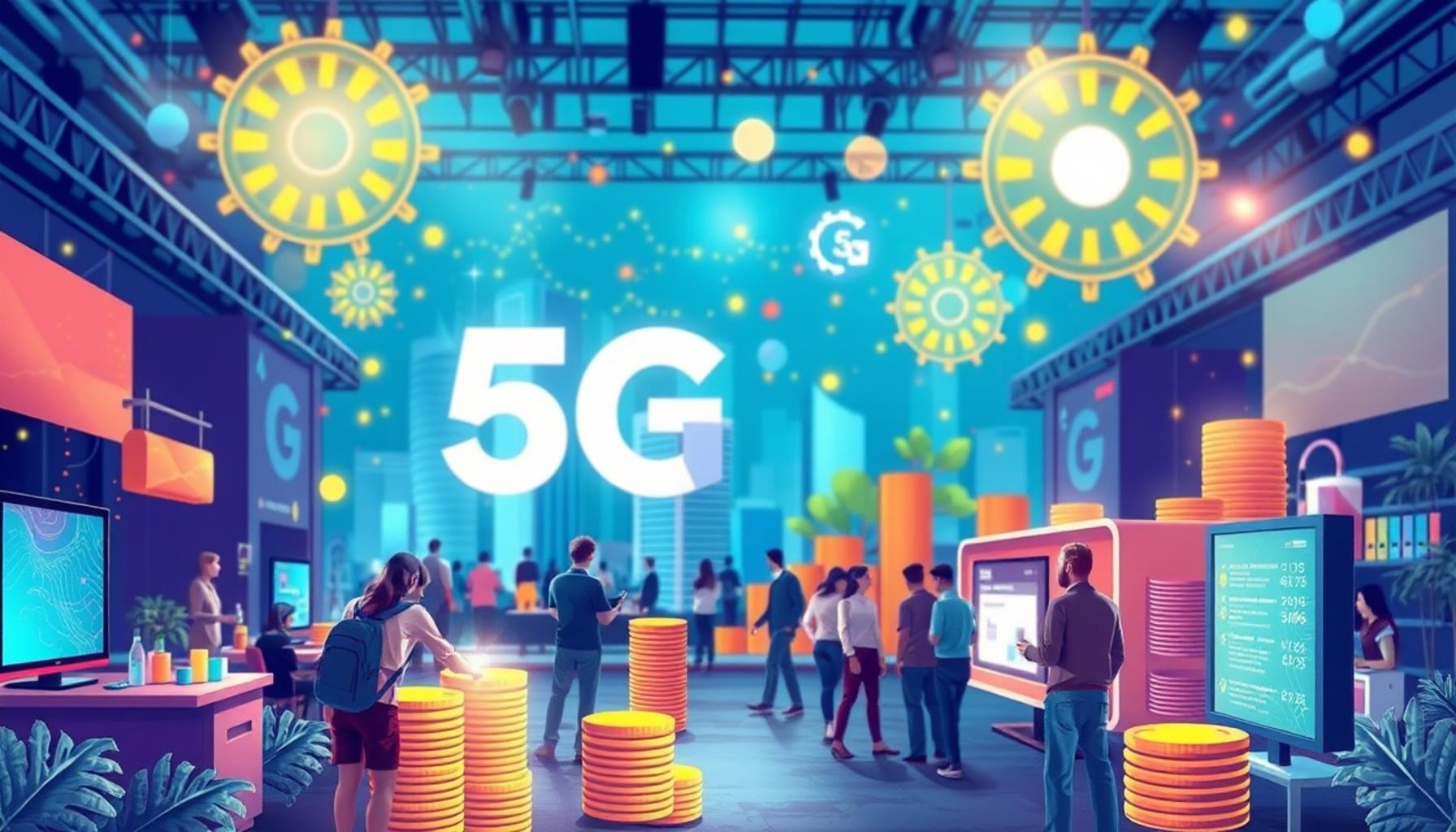
The arrival of 5G networks marks an unprecedented era in live events and experiences. This technology is not merely a faster version of its predecessor, 4G; it brings substantial improvements in speed, capacity, and connectivity. With these advancements, 5G enables innovations that significantly enhance how events are organized and experienced.
Real-time Data Sharing
One of the standout features of 5G is its ability to facilitate real-time data sharing. Imagine attending a large conference where all participants receive instant updates about keynote speakers, session changes, or even networking opportunities directly to their devices. This immediate flow of information allows attendees to navigate the event effectively, ensuring they don’t miss key moments. For instance, applications can send push notifications about exclusive meet-and-greets with speakers happening nearby, thus enriching the attendee experience with timely alerts.
Augmented and Virtual Reality
The integration of augmented and virtual reality (AR and VR) into events is another exciting possibility enabled by 5G. Picture an art exhibition where visitors use their smartphones to scan a QR code next to a painting. Instantly, they are transported into a VR experience that reveals the artist’s creative process, bringing the artwork to life in a way that traditional methods cannot. Similarly, companies hosting product launches can allow potential customers to interact with 3D models of their products through AR, providing a hands-on understanding without the need for physical samples.
High-Resolution Live Streaming
The advancements in high-resolution live streaming with 5G are particularly noteworthy. With this technology, even attendees who cannot physically be at an event can experience it like never before. They can watch live performances or presentations in ultra-high definition, with minimal buffering or lag. This capability is especially beneficial for large sporting events or concerts, where fans might reside across the country but still want to connect with the experience. By utilizing 5G, event organizers can ensure that remote viewers enjoy the same level of engagement and quality as those attending in person.
These enhancements are not simply additions; they are pivotal innovations that fundamentally change the way audiences engage with events. They create a more interconnected environment, catering to the varying needs and preferences of all attendees. In a world where digital interactions are increasingly valued, 5G facilitates a dynamic blend of the physical and virtual realms, enhancing the overall experience.
In conclusion, as we delve deeper into the capabilities of 5G networks, it becomes clear that the future of events is bright. This technology promises to redefine our interactions, offering an array of features designed to connect and engage audiences in ways previously imagined only in science fiction. The potential is limitless, and we are only just beginning to scratch the surface of what is possible in this rapidly evolving digital landscape.
DISCOVER MORE: Click here to learn how to apply
Enhancing Attendee Engagement through Interactivity
With the introduction of 5G networks, the interactive experiences at events are poised to reach new heights. This technology allows for an enhanced level of engagement that is becoming increasingly essential in a world where audience participation is key to successful events. By enabling smoother communication and interaction, 5G opens the door for various applications that create a more immersive and enjoyable experience for attendees.
Interactive Applications and Polling
Imagine being at a large seminar or workshop, where instead of traditional feedback forms, attendees can participate in live polls or Q&A sessions using their smartphones. With 5G, interactive applications can handle thousands of simultaneous users without lag, allowing real-time responses. Event organizers can pose questions and receive instant feedback, making the audience feel more included and valued. This not only enhances engagement but also provides invaluable insights for speakers and hosts.
For instance, an event organizer might use a polling app to gauge audience opinions on the topics being discussed. Here are some ways this can be implemented:
- Live Polls: Attendees can vote on specific issues as they are addressed during the event, making it possible for speakers to adjust their presentations based on immediate feedback.
- Q&A Sessions: Instead of a traditional mic hand-off, the audience can submit questions via an app, allowing the moderator to select the most relevant inquiries without interrupting the flow of the event.
- Gamification: Events can incorporate competitive elements, such as quizzes or scavenger hunts, where attendees earn points for participation, further motivating engagement.
Location-Based Services
Another significant advancement brought by 5G is the enhancement of location-based services. Attendees can benefit from personalized experiences as they move around the event space. This includes features such as guided tours, tailored recommendations for sessions to attend, or even notifications about nearby networking opportunities based on where users are within the venue.
Imagine walking into a convention center and receiving alerts on your phone about a panel discussion starting soon in a room just a few steps away. This immediate, context-aware information drives attendee satisfaction, as they are more likely to participate in sessions that match their interests, contributing to a richer overall experience. Combined with augmented reality, which overlays navigation prompts directly onto the physical space, the event becomes easier to navigate and more enjoyable for all attendees.
Community Building Through Connectivity
5G doesn’t just enhance individual experiences; it also fosters community building among attendees. Networking apps can utilize the high-speed connectivity to connect like-minded individuals in real-time. Participants can discover others based on shared interests or professional backgrounds, set up meetings, and collaborate during and after the events. This sense of connection transforms events from isolated experiences into thriving communities, creating lasting relationships and opportunities.
Ultimately, the integration of these interactive tools, facilitated by the powerful capabilities of 5G networks, represents a significant step in evolving how events are experienced. Attendees are no longer mere spectators but active participants in a communal experience, directly influencing the event dynamics.
DISCOVER MORE: Click here to learn how data breaches are impacting consumer trust
Transforming Content Delivery and Experiences
The transformative potential of 5G networks extends beyond engagement and interaction; it fundamentally reshapes how content is delivered and experienced at events. With lower latency and higher bandwidth, organizers are now able to provide rich, high-quality content in ways previously unimaginable, paving the way for innovative formats that enhance learning and entertainment.
Streaming and Virtual Reality Integrations
One of the most exciting applications of 5G technology is its ability to support seamless live streaming and virtual reality (VR) experiences. As a result of faster download speeds, attendees can participate in events regardless of their physical location. Imagine a conference where some attendees are in-person, while others join virtually in real-time, fully immersed in the experience through VR headsets. This not only democratizes access to events but also enriches them with diverse perspectives.
Event organizers can set up VR zones that enable remote participants to feel as though they are walking through the venue, interacting with the exhibit displays, and even socializing with other attendees. For example, an international tech conference might offer a virtual reality experience that allows global participants to explore product demos as if they were present. The ability to create an engaging virtual presence can significantly increase attendance and participation rates.
Data-Driven Personalization
In addition to immersive experiences, 5G facilitates the collection and analysis of attendee data in real-time. This capability enables event organizers to create personalized experiences tailored to the preferences and behaviors of participants. For instance, data collected from event apps can give insights into which sessions are generating the most interest, allowing organizers to adapt future events accordingly.
Customized itineraries can also be generated based on attendees’ interests. As an example, consider a multi-track workshop where participants might receive recommendations on sessions they would enjoy based on their registration choices and previous browsing habits. This tailored approach ensures that attendees get the most relevant content, enhancing both satisfaction and value derived from the event.
Engaging Multimedia and Interactive Learning
With the enhanced capabilities of 5G, events can integrate a wealth of multimedia content to enrich the learning experience. This might include high-definition video presentations, interactive simulations, and augmented reality features that allow participants to engage with content actively. For example, during a healthcare conference, attendees could use tablets to immediately access 3D models of anatomy that they can manipulate and explore while following along with a speaker’s discussion.
Additionally, interactive workshops can be conducted where small groups work collaboratively through shared screens or augmented reality displays. This real-time engagement not only fosters a deeper understanding of the subject matter but also enables participants to collaborate effectively, even from a distance.
Integration of IoT Devices
The rise of the Internet of Things (IoT) combined with 5G capabilities offers further opportunities for innovation. Smart devices can streamline event operations, such as check-ins and attendee tracking, while enhancing experiences through real-time updates. For instance, wearables could allow attendees to receive notifications about personalized content, schedule changes, or even alerts about other attendees who share similar interests.
This connectivity fosters a fluid event atmosphere, where last-minute adjustments can be made seamlessly. An event planner, for example, can monitor crowd densities in real-time and adjust sessions or activities accordingly, ensuring a comfortable experience for all attendees.
In summary, the integration of 5G technology is creating a dynamic landscape for events, transforming the traditional notion of participation and content consumption. By enabling high-quality content delivery, personalized experiences, and relentless interactivity, 5G facilitates a new paradigm where events are more engaging, accessible, and memorable than ever before. As the technology continues to evolve, the possibilities for interactive experiences will only expand, making events a remarkable fusion of technology and human connection.
LEARN MORE: Click here to discover common pitfalls in wealth management
Conclusion
As we have explored, 5G networks are revolutionizing the landscape of events, fostering a wave of innovation that enhances interactive experiences for all attendees. The ability to deliver high-definition content seamlessly, combined with the power of real-time data analytics, enables organizers to create not just events, but immersive experiences that resonate with participants on multiple levels.
The integration of live streaming and virtual reality opens doors to broader accessibility, allowing individuals from around the world to partake in events they may otherwise miss. This increased reach transforms how knowledge and ideas are exchanged, ensuring a richer diversity of engagement. Meanwhile, the personalization of experiences driven by data insights underscores the importance of tailoring content to meet the unique needs of each attendee, ultimately increasing satisfaction and relevance.
Furthermore, as we adapt to a world interwoven with IoT devices, the event experience will continue to evolve into an even more interactive and responsive environment. With real-time connectivity, organizers can respond instantaneously to the dynamics of their events, ensuring a smooth and enjoyable experience for every participant.
In conclusion, the profound impact of 5G technology on the innovation of interactive experiences at events is undeniable. As event organizers harness this potential, we can anticipate a future where events are not only platforms for sharing knowledge but immersive journeys that foster meaningful connections and lasting memories among participants. Embracing this transformative technology is essential for those looking to stay at the forefront of the ever-evolving events industry.

Linda Carter
Linda Carter is a writer and expert known for producing clear, engaging, and easy-to-understand content. With solid experience guiding people in achieving their goals, she shares valuable insights and practical guidance. Her mission is to support readers in making informed choices and achieving significant progress.