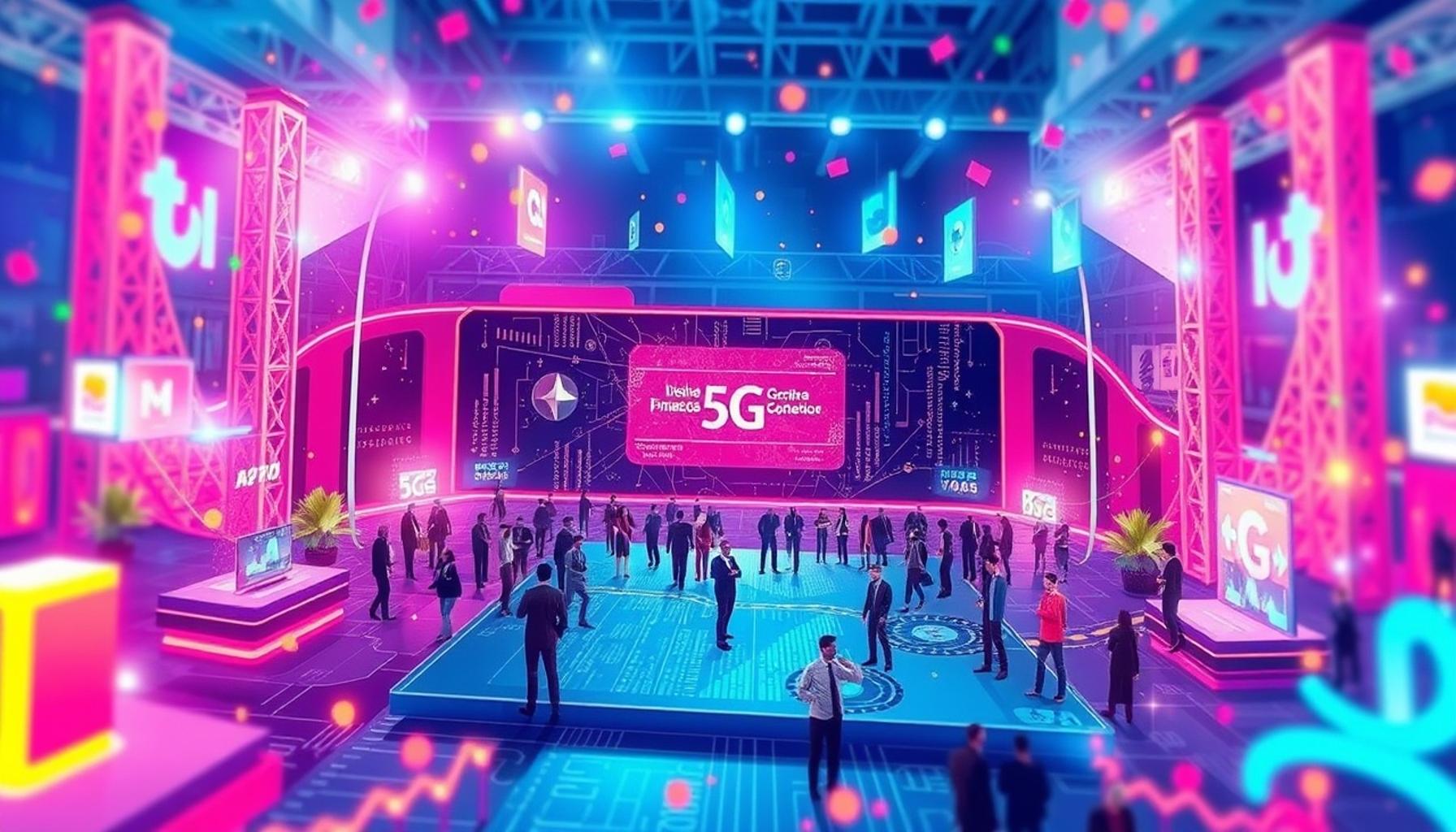
Augmented and Virtual Reality: The Future of User Experience in Online Events
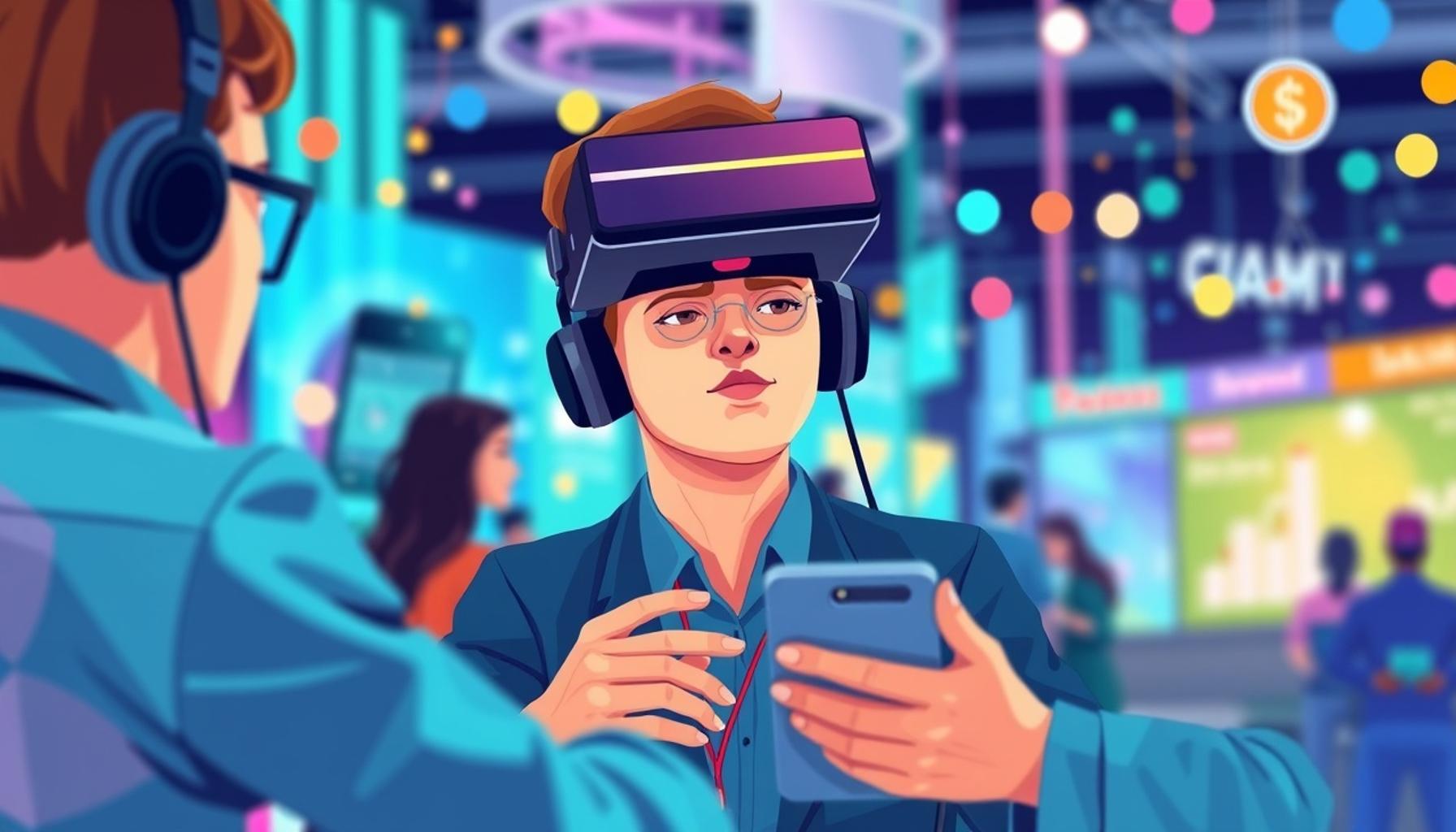
Understanding Augmented Reality and Virtual Reality
As technology continues to advance, Augmented Reality (AR) and Virtual Reality (VR) are emerging as game-changers for online events. These immersive technologies are reshaping how we engage, learn, and connect in a digital world that increasingly emphasizes virtual interactions.
Immersive Experiences in Online Events
Imagine attending a conference where you can:
- Navigate the virtual exhibition hall, exploring booths and product displays as if you were physically there.
- Network with attendees through digital avatars that mimic your movements and expressions.
- Participate in interactive workshops where you can manipulate 3D models or collaborate on projects with others in real-time.
Such experiences are now possible through AR and VR, offering more than just a static screen for attendees. For instance, using VR headsets, individuals can immerse themselves in a simulated environment that replicates the feel of a live event, allowing for a more engaging participation level. This means that instead of merely viewing presentations, participants can feel as though they are actually present, walking through the venue and exploring different aspects of the event.
Transforming Business Practices
These technologies are also transforming businesses by providing:
- Enhanced engagement opportunities, allowing exhibitors to showcase products interactively, thereby attracting more interest.
- Better data analysis for event organizers, who can track attendees’ movements and interactions within the virtual space, allowing for tailored experiences and improved future events.
- Innovative marketing strategies that utilize AR features, such as virtual showrooms, where customers can view products in a real-world context using their smartphones.
For instance, a automobile company can allow potential buyers to experience different car models through AR apps, enabling them to visualize how a car would look in their driveway before purchasing. This not only enhances customer satisfaction but also increases conversion rates.
Conclusion
As a result, AR and VR are not merely trends; they are paving the way for a revolutionized user experience that can captivate audiences and foster connections like never before. With their ability to create engaging and interactive experiences, these technologies signify a shift in how we interact with digital content, creating opportunities that were previously unimaginable.
The future of online events looks bright, with AR and VR leading the charge to bridge the gap between the physical and digital worlds, making virtual interactions feel more personal, engaging, and impactful.
DIVE DEEPER: Click here to discover how to apply easily
Bringing Events to Life with AR and VR
Augmented Reality and Virtual Reality are not just enhancing user experiences; they are reimagining the very fabric of how online events are organized and conducted. To understand their impact, it is essential to delve into how these technologies redefine user interactions.
The Power of Immersive Technology
AR and VR create a sense of presence that traditional online formats simply cannot match. With AR, users can overlay digital information in their real-world environment. For example, during a virtual trade show, attendees could use their smartphones or tablets to scan a QR code at a booth and see a 3D model of a product pop up on their screens. This interactive element fosters a deeper understanding of the product, making information more relatable and enjoyable.
On the other hand, VR offers a fully immersive experience. Consider a virtual networking event where participants, represented as avatars, can mingle in a simulated environment. They can walk up to different groups, engage in real conversations, and even participate in breakout sessions. This level of engagement helps attendees feel more connected and involved, similar to attending an in-person event.
Benefits for Attendees and Organizers
Both AR and VR technologies provide key benefits that enhance the user experience:
- Increased Engagement: By providing interactive experiences, attendees are more likely to participate actively rather than passively consume information.
- Personalized Experiences: The data collected through these platforms can be analyzed to tailor content and engagement strategies for individual users, helping them find relevant sessions or products.
- Access from Anywhere: These technologies allow for global participation without the need for travel, making events more accessible to a broader audience.
For instance, a global virtual conference can bring together speakers and attendees from diverse regions, promoting cross-cultural exchanges and collaboration. By incorporating AR and VR elements, organizers can facilitate learnings that transcend geographical boundaries, fostering a sense of community among participants.
Embracing Innovation in Event Planning
Event planners are increasingly recognizing the potential of AR and VR to elevate attendee experiences. By integrating these technologies into their strategies, they can offer more dynamic and memorable events. For example, utilizing AR to create a scavenger hunt during a virtual or hybrid event not only engages participants but also drives them to explore different content areas. Moreover, VR tours can be developed to provide behind-the-scenes access to speakers, venues, or products, enhancing the overall experience.
As we continue to adapt to changing technological landscapes, it is crucial for event organizers to embrace AR and VR. These immersive experiences not only captivate audiences but also pave the way for more innovative, effective, and meaningful online events in the future.
DISCOVER MORE: Click here to delve into your risk profile
Transforming Engagement and Interaction
The integration of Augmented Reality (AR) and Virtual Reality (VR) not only enhances user experience but also transforms the way we engage and interact in online events. The potential of these technologies extends beyond mere entertainment; they encourage active participation and deeper learning among attendees.
Interactive Learning Experiences
One notable application of AR and VR is in the realm of educational sessions during online events. For instance, a virtual workshop can utilize AR to provide participants with interactive elements, such as 3D diagrams and animated simulations that illustrate complex theories or procedures. This approach makes abstract concepts easier to grasp, allowing attendees to visualize and interact with the material in a way that traditional presentations cannot achieve.
Furthermore, VR can create simulated environments for training purposes. Consider a scenario where medical practitioners attend a virtual seminar on surgical techniques. With VR goggles, they could participate in lifelike simulations of surgeries, receiving hands-on experience that is critical for their development. This immersive training not only sharpens skills but also boosts confidence, preparing professionals to handle real-life situations more effectively.
Enhanced Networking Opportunities
Networking is often cited as one of the primary benefits of attending events. AR and VR can turn this crucial aspect into a truly engaging experience. Imagine an online expo where attendees can create profiles and avatars that reflect their professional interests and expertise. Using VR, they can navigate through virtual exhibit halls, stopping to engage with others based on shared interests or goals.
Additionally, features like virtual breakout rooms allow for smaller group discussions, facilitating more meaningful interactions. Attendees can join specific discussions tailored to their interests, enabling deeper networking opportunities. This level of personalization fosters connections that can lead to collaborations and partnerships long after the event concludes.
Delivering Memorable Brand Experiences
Brands aiming to leave a lasting impression are leveraging AR and VR to elevate their event experiences. For example, a product launch that incorporates VR can allow participants to virtually step inside the product, interacting with its features in a 360-degree environment. This powerful storytelling approach can significantly enhance brand recall and consumer interest.
- Gamification: By incorporating gamified elements into online events, such as quizzes or challenges that use AR, brands can make the experience more fun and engaging, driving higher participation rates.
- Virtual Showrooms: Retailers can create interactive showrooms where attendees can view products from different angles, try on virtual clothing, or even customize items in real-time, thereby increasing their likelihood of making a purchase.
This shift towards immersive brand experiences not only captures attention but also fosters loyalty and enhances overall customer satisfaction. As participants engage with brands in meaningful ways, they are more likely to remember and recommend those brands to others.
Analytics and Insights for Future Improvements
The utilization of AR and VR also allows event organizers to collect valuable data that can inform future events. By tracking user interactions, preferences, and feedback garnered through these platforms, organizers can gain insights into attendee behavior and engagement levels. Such analytics are crucial for understanding what works well and what needs adjustment, ultimately leading to better-designed events.
In summary, as AR and VR continue to evolve, they promise a future filled with enhanced interactions, learning opportunities, and brand engagement. By embracing these technologies, event organizers can create experiences that are not only engaging but also educational and memorable, paving the way for a new standard in online events.
DISCOVER MORE: Click here for tips on applying for the BankAmericard
Conclusion
As we navigate through a digitally dominated era, Augmented Reality (AR) and Virtual Reality (VR) are carving a new path for user experiences in online events. These technologies are not merely enhancements; they represent a transformative approach that profoundly alters how we learn, engage, and connect. By creating interactive learning experiences, AR and VR break down complex concepts and offer unprecedented opportunities for practical application in fields like medicine, education, and beyond.
The potential for enhanced networking also cannot be overstated. Attendees can create personalized avatars, engage meaningfully in virtual spaces, and foster collaborations that transcend geographical boundaries. This shift not only amplifies engagement but also enriches communities centered on shared interests. Furthermore, brands that adopt AR and VR technologies can build memorable experiences that resonate with their audiences, facilitating lasting loyalty and engagement.
Looking ahead, the analytics capabilities provided by AR and VR offer organizers a wealth of data to improve future events. Understanding attendee behavior and preferences enables better-tailored experiences that address audience needs directly. As these technologies continue to mature, the possibilities for creating immersive, educational, and memorable online events are virtually limitless. In summary, those who embrace AR and VR today will not only redefine user experiences but also set a new standard for how we interact in the evolving landscape of online events tomorrow.

Linda Carter
Linda Carter is a writer and expert known for producing clear, engaging, and easy-to-understand content. With solid experience guiding people in achieving their goals, she shares valuable insights and practical guidance. Her mission is to support readers in making informed choices and achieving significant progress.