
The 5G Revolution: How Connectivity is Changing the Landscape of Virtual Events
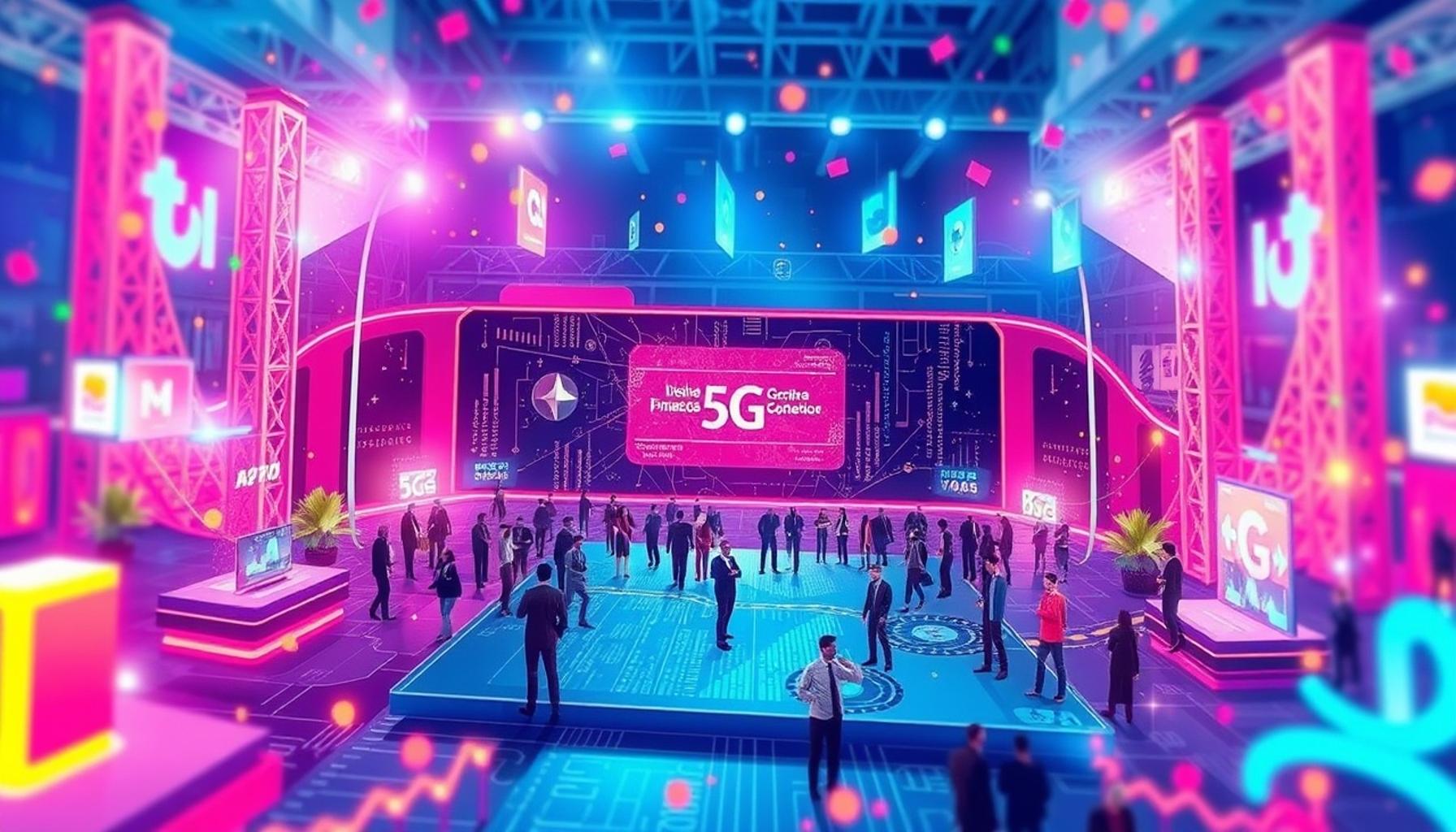
Transforming Virtual Events with 5G Technology
The digital landscape is evolving, and few developments are as significant as the emergence of 5G technology. This next-generation connectivity standard is not just about faster internet; it is a game-changer that brings a wave of new possibilities for organizing and experiencing virtual events. With its unprecedented speed, reliability, and capacity for simultaneous connections, 5G technology is redefining how we engage with one another in the digital realm.
Key Features of 5G That Enhance Virtual Events
Several features of 5G technology directly impact the quality and scope of virtual events:
- Increased bandwidth: One of the standout capabilities of 5G is its ability to support a massive number of users connecting at once without experiencing delays or lags. This means that during a virtual conference, attendees can enjoy high-quality video feeds simultaneously, allowing for large-scale participation without the frustration of buffering.
- Low latency: In the context of virtual collaboration, latency refers to the time delay between user action and system response. With 5G, this is reduced to milliseconds, enabling real-time interactions that are critical for dynamic discussions, live Q&A sessions, and multiplayer online activities that require quick response times.
- Enhanced mobile experiences: With the rise of remote work and mobile connectivity, 5G empowers users to access rich multimedia content and high-definition streaming on their smartphones or tablets, no matter where they are. For example, a participant can stream a live performance from a conference while on the go, maintaining an engaging experience from city streets or even public transit.
New Opportunities for Event Organizers
As we delve into the implications of 5G for virtual events, it becomes apparent that this technology presents a vast array of opportunities for both businesses and individuals:
- Immersive environments: Utilizing technologies like virtual reality (VR), event organizers can create digitally immersive experiences that transport attendees to different locations or scenarios. For instance, a virtual trade show may allow participants to explore booths as if they are physically walking through an exhibition hall, enhancing engagement and interactive experiences.
- Seamless streaming: High-definition streaming has become increasingly critical as audiences expect quality content. With 5G, the delivery of seamless high-definition video becomes possible, allowing keynote speeches, product launches, and workshops to be broadcast without distortion or drops in quality across multiple platforms.
- Global participation: One of the most exciting aspects of 5G technology is its ability to connect people from all corners of the globe in real-time. This opens doors for diverse audiences to attend events that they might not have had the opportunity to join otherwise, fostering collaboration and networking opportunities that transcend geographic limitations.
Ultimately, the fusion of 5G technology and virtual events marks a transformative era in how we connect, collaborate, and engage with one another. As we navigate this new frontier of digital communication, understanding these changes will provide an invaluable advantage for anyone aiming to excel in the rapidly evolving digital landscape. Embracing these developments will not only elevate virtual event experiences but also redefine our collective approach to interaction in the digital age.
DIVE DEEPER: Click here to discover effective investment strategies
Redefining Interaction in Virtual Spaces
The arrival of 5G technology is not merely a technical upgrade; it represents a fundamental shift in how we orchestrate and experience virtual events. As we delve into its broad implications for virtual engagement, it’s essential to understand the transformative potential that 5G has on various aspects of the event lifecycle. From planning stages to actual execution, the enhanced capabilities of 5G create new dimensions of possibilities that both organizers and attendees can explore.
Enhanced Interactivity through Advanced Features
With the advent of 5G, new features facilitate a level of interactivity that was previously unattainable. Here are some of the ways that these advanced attributes are reshaping the virtual event landscape:
- Interactive sessions: The low latency of 5G empowers event organizers to incorporate real-time polls and interactive Q&A sessions seamlessly into their programming. For instance, during a virtual workshop, a facilitator can instantly gather audience feedback or questions, allowing for a more dynamic and engaging atmosphere.
- Augmented reality (AR) experiences: Leveraging 5G’s robust capacity, attendees can enjoy live augmented reality elements that layer digital content over the physical world. Imagine participating in a virtual coaching session where fitness instructors demonstrate exercises in your living room via AR. This engaging feature adds a rich dimension to typical presentations.
- Customizable networking: Networking remains a key objective for many virtual events, and 5G technology improves this experience significantly. Attendees can use apps that leverage GPS and other data to connect with fellow participants based on interests or location in real-time, creating meaningful connections that may not have been possible before.
Revolutionizing Content Creation
Another major advantage of 5G technology is how it revolutionizes content creation for virtual events. Now, creators can tap into the full spectrum of multimedia capabilities:
- High-quality visuals: Event organizers can incorporate high-resolution 4K video content without worrying about bandwidth issues. This means that product demonstrations or visual presentations can be shown in stunning detail, ensuring the audience grasps every aspect.
- Collaborative platforms: With 5G’s capabilities, platforms facilitating collaborative content creation—be it design, brainstorming, or video production—can operate smoothly in real-time. Imagine a team of global experts collaborating on a virtual whiteboard during a session and seeing changes instantly without lags.
- Live streaming capabilities: 5G allows for robust live streaming options that can include multiple camera angles and real-time edits. A concert streamed from a virtual event can maintain the quality and connectivity that audiences expect, making them feel as if they are part of the action.
As we adapt to this new reality brought forth by 5G technology, we realize that the boundaries of virtual events are expanding. The ability to provide engaging, interactive experiences will not only attract a larger audience but will also enhance overall satisfaction and participation in such events. The future of virtual events has never looked brighter, thanks to the impressive capabilities of 5G. By embracing these advancements, event organizers can create unforgettable experiences for participants, making them feel truly connected, no matter where they are in the world.
DIVE DEEPER: Click here to learn how to apply
Empowering Accessibility and Inclusivity
Beyond interactivity and content creation, 5G technology is paving the way for increased accessibility and inclusivity in virtual events. This shift is vital as it ensures that diverse audiences can participate without hindrance, thus enriching the overall experience for everyone involved.
Broadening Participation Opportunities
One of 5G’s critical contributions is its ability to engage participants from various backgrounds and locations. With enhanced connectivity:
- Global reach: Remote participation becomes effortless. Individuals from rural areas or less developed regions can join in real-time without worrying about connectivity issues. For example, a farmer in a remote part of Kansas can attend a virtual agricultural summit, learning from experts irrespective of geographical limitations.
- Device versatility: The high-speed connectivity of 5G allows for seamless access on various devices, from smartphones to smart home devices. This flexibility means that participants can engage from their preferred platforms, increasing comfort and accessibility for attendees, including those in underserved communities.
- Remote participation tools: 5G supports advanced tools and features that cater to those who may have disabilities. For instance, live captioning and sign language interpretation can be integrated into the stream in real-time, allowing everyone to engage equally.
Data-Driven Insights for Tailored Experiences
Another exciting aspect of the 5G revolution is how it enables organizers to access real-time data analytics during events, allowing for a more tailored experience:
- Behavioral analytics: With advanced data collection methods, event planners can understand attendee engagement patterns better. For instance, if a session receives lower participation rates, organizers can adapt in real-time, possibly by switching topics or offering incentives to re-engage participants. This adaptability contributes to an overall more fulfilling experience.
- Personalized content: 5G allows for real-time adjustments to content delivery. Attendees can receive curated materials and recommendations based on their interests or previous interactions throughout the event. Imagine receiving tailored resources straight to your device that match your networking goals or learning objectives.
- Feedback loops: Instant feedback mechanisms encourage continuous engagement. Attendees can quickly voice their opinions through simple surveys or feedback forms, allowing organizers to make immediate changes to enhance the overall event experience.
The empowering qualities of 5G technology contribute significantly to democratizing virtual events. Emphasizing inclusion and personalized interaction not only broadens participation but also fosters a sense of community among attendees. As we witness the fusion of advanced technology with human connection, it becomes evident that 5G is not just transforming virtual events; it is redefining what it means to gather, share ideas, and build networks across borders. This expanded landscape stands to benefit not just event organizers but also every participant who seeks to engage in meaningful conversations and connections, ensuring that no one is left behind in the digital age.
DIVE DEEPER: Click here to discover the future of user experience
Conclusion
As we delve into the transformative effects of 5G technology on virtual events, it becomes clear that we are witnessing a significant leap in how we connect, collaborate, and share experiences. The enhanced speed and capacity of 5G facilitate unprecedented levels of interactivity, making virtual platforms not only more engaging but also more effective in conveying information. This technological advancement is a game-changer, enabling a wider spectrum of individuals to participate in events that were once limited by geographical, economic, or technological constraints.
Moreover, the focus on accessibility and inclusivity creates an environment where diverse voices can converge, enriching discussions and fostering innovation. With the ability to integrate advanced tools that support various needs, we are paving the way for a more equitable digital space. The significance of personalized experiences and real-time data analytics cannot be overlooked, as they empower organizers to meet the unique preferences of their audience, ensuring a meaningful engagement for all.
In conclusion, the 5G revolution is not just transforming the mechanics of virtual events; it is fundamentally reshaping the very nature of human connection in our increasingly interconnected world. As we embrace these advancements, we must also remain committed to driving forward inclusivity and accessibility, ensuring that everyone has the opportunity to engage in these rich and dynamic environments. The future of virtual events is bright, promising a collaborative, adaptive, and more connected world for participants everywhere.

Linda Carter
Linda Carter is a writer and expert known for producing clear, engaging, and easy-to-understand content. With solid experience guiding people in achieving their goals, she shares valuable insights and practical guidance. Her mission is to support readers in making informed choices and achieving significant progress.